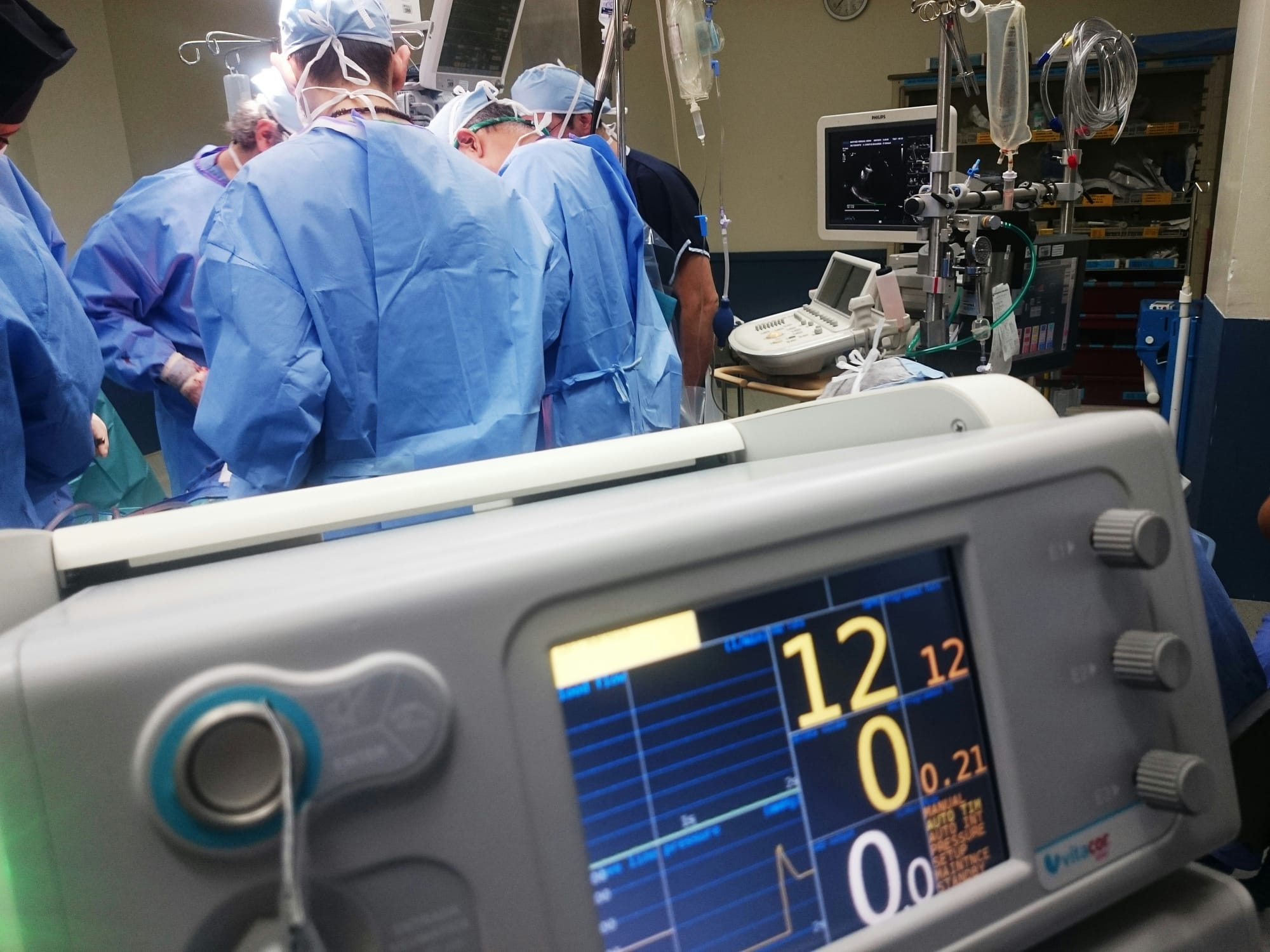
The integration of artificial intelligence into healthcare and life sciences has accelerated dramatically in 2026, with the US Food and Drug Administration having approved over 1,000 AI-enabled medical devices for clinical use. The milestone, reached in March of this year, represents a tripling of approved devices since 2023 and signals that AI has become a standard tool across radiology, pathology, cardiology, oncology, and numerous other medical specialties.
Radiology and Diagnostics at the Forefront
Radiology remains the most advanced domain for clinical AI, with over 500 FDA-approved algorithms covering applications from mammography screening to chest X-ray interpretation to MRI analysis. The Mayo Clinic, a pioneer in AI-assisted diagnostics, has integrated AI into 85% of its radiology workflows. The institution reports that AI-assisted radiologists detect 25% more clinically significant findings while reducing reading time by 40%.
The impact is particularly dramatic in breast cancer screening. AI systems from companies including Lunit, ScreenPoint, and iCAD now achieve accuracy rates exceeding 95% for mammogram interpretation, matching or exceeding the performance of experienced radiologists. Several large-scale clinical trials published in The Lancet and JAMA have demonstrated that AI-assisted screening programs detect more cancers at earlier stages while reducing false positives. The UK National Health Service has deployed AI mammography screening across 30% of its screening centers, with plans to reach 100% coverage by 2028.
In emergency medicine, AI systems are being deployed to triage patients based on severity, analyze CT scans for critical findings like stroke and hemorrhage, and predict patient deterioration hours before it occurs. Stanford Hospital's AI triage system has reduced average emergency department wait times by 35% by prioritizing patients and flagging critical imaging findings to radiologists within seconds.
Drug Discovery and Development
AI is transforming the pharmaceutical industry's approach to drug discovery, a process that traditionally takes 10-15 years and costs over $2 billion per approved drug. AI-powered platforms from companies like Recursion Pharmaceuticals, Insilico Medicine, and Atomwise can screen millions of potential drug candidates in silico, predict drug-target interactions, and optimize molecular structures before any laboratory work begins.
Recursion Pharmaceuticals has leveraged its AI platform to advance over 30 drug programs into preclinical development, with seven programs now in clinical trials. The company's AI system analyzed over 100 trillion data points from cellular imaging experiments to identify novel drug candidates for conditions ranging from rare genetic diseases to cancer. Similarly, Insilico Medicine's AI-discovered drug for idiopathic pulmonary fibrosis — a lung disease with limited treatment options — completed Phase II clinical trials in early 2026 with promising results, marking one of the first AI-discovered drugs to reach late-stage clinical testing.
The pharmaceutical industry has responded with massive investments in AI capabilities. Pfizer, Novartis, Roche, and Merck have all established dedicated AI research divisions and formed partnerships with AI-native biotech companies. The total investment in AI-driven drug discovery exceeded $30 billion in 2025 and is projected to reach $50 billion annually by 2028.
Clinical Decision Support
AI-powered clinical decision support systems are becoming standard tools in hospital systems across the United States and Europe. These systems analyze patient data from electronic health records, laboratory results, vital signs, and medical imaging to provide real-time recommendations to physicians. Epic Systems, the largest electronic health record provider, has integrated AI decision support into its platform, covering over 250 million patient records.
At Johns Hopkins Hospital, an AI sepsis prediction system analyzes patient data in real-time and alerts clinicians up to 12 hours before conventional diagnostic criteria are met. The system has reduced sepsis mortality by 20% and has been adopted by over 100 hospitals nationwide. Similarly, Mount Sinai's AI system for predicting patient deterioration has reduced intensive care unit transfers by 25% by enabling earlier intervention.
AI is also transforming pathology, where digital pathology systems combined with AI analysis are enabling faster and more accurate diagnosis of cancer and other diseases. The FDA has now approved dozens of AI-powered pathology tools, and major academic medical centers are digitizing their pathology departments. AI systems can analyze entire tissue slides in seconds, identifying cancerous cells that human pathologists might miss due to fatigue or the subtlety of early disease markers.
Challenges and Concerns
Despite remarkable progress, AI in healthcare faces significant challenges. Data privacy and security remain paramount concerns, particularly as AI systems require access to large datasets of sensitive patient information. Validation and regulatory oversight are also critical issues, as the pace of AI development outstrips traditional clinical trial timelines. Questions about algorithmic bias, especially in systems trained on data that may not represent diverse patient populations, continue to require careful attention.
Integration with existing clinical workflows remains one of the greatest practical challenges. A study published in JAMA Internal Medicine found that while physicians find AI diagnostic suggestions clinically useful, alert fatigue from too many AI-generated recommendations can lead to important warnings being ignored. The most successful implementations are those that carefully design how and when AI recommendations are presented to clinicians.
The Next Frontier
AI in healthcare is moving beyond diagnosis into treatment planning and direct patient care. AI systems are now being used to plan radiation therapy for cancer patients, optimize surgical approaches based on patient-specific anatomy, and even control robotic surgical systems with increasing autonomy. The next frontier includes AI agents that can manage chronic conditions, coordinate care across multiple providers, and serve as 24/7 health assistants for patients managing complex conditions at home.