TSMC's New U.S. Investment Is a Supply-Chain Bet, Not a Quick Fix
TSMC's additional U.S. investment pledge strengthens geographic diversification, but advanced-chip resilience will still depend on equipment, packaging, talent, and yield.
Independent reporting and analysis on Chips. We link to primary sources and identify estimates, opinion, and sponsored material.
TSMC's additional U.S. investment pledge strengthens geographic diversification, but advanced-chip resilience will still depend on equipment, packaging, talent, and yield.
Reports of higher prices across TSMC's advanced nodes show how AI demand can shift bargaining power. The pricing details remain a report, not a confirmed public price list.
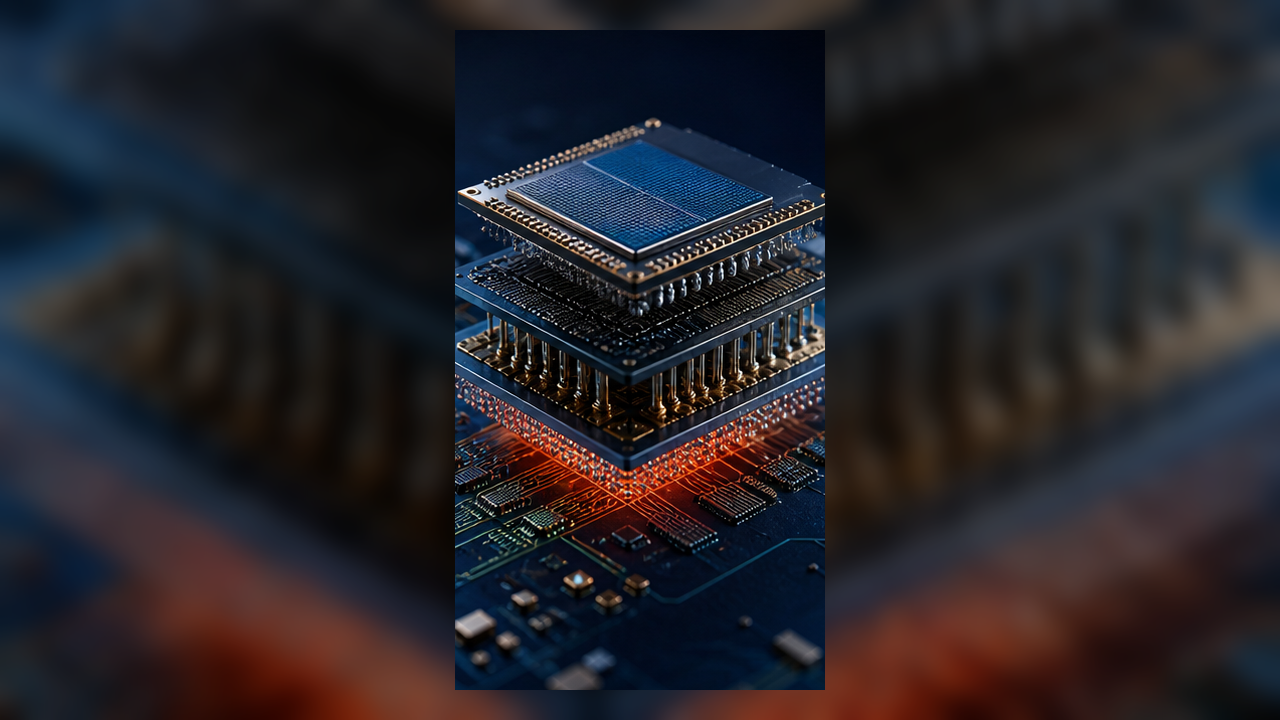
AI accelerators need more than leading-edge wafers. Interposers, HBM, substrates, and packaging capacity increasingly determine how quickly a finished system can ship.

High-bandwidth memory is now central to accelerator performance. The supply question is not only how many chips are made, but how memory stacks, packages, and power budgets fit together.
Intel's RAMP-C milestone connects advanced process technology with trusted domestic manufacturing and defense-oriented customers.

NVIDIA's latest Rubin and Blackwell material frames AI infrastructure around throughput, power, and economics for agentic workloads.

Intel's 18A-P update shows why process improvements must become customer-ready manufacturing, not just roadmap slides.
TSMC's revenue reports give investors and suppliers one of the clearest monthly views into advanced-chip demand.
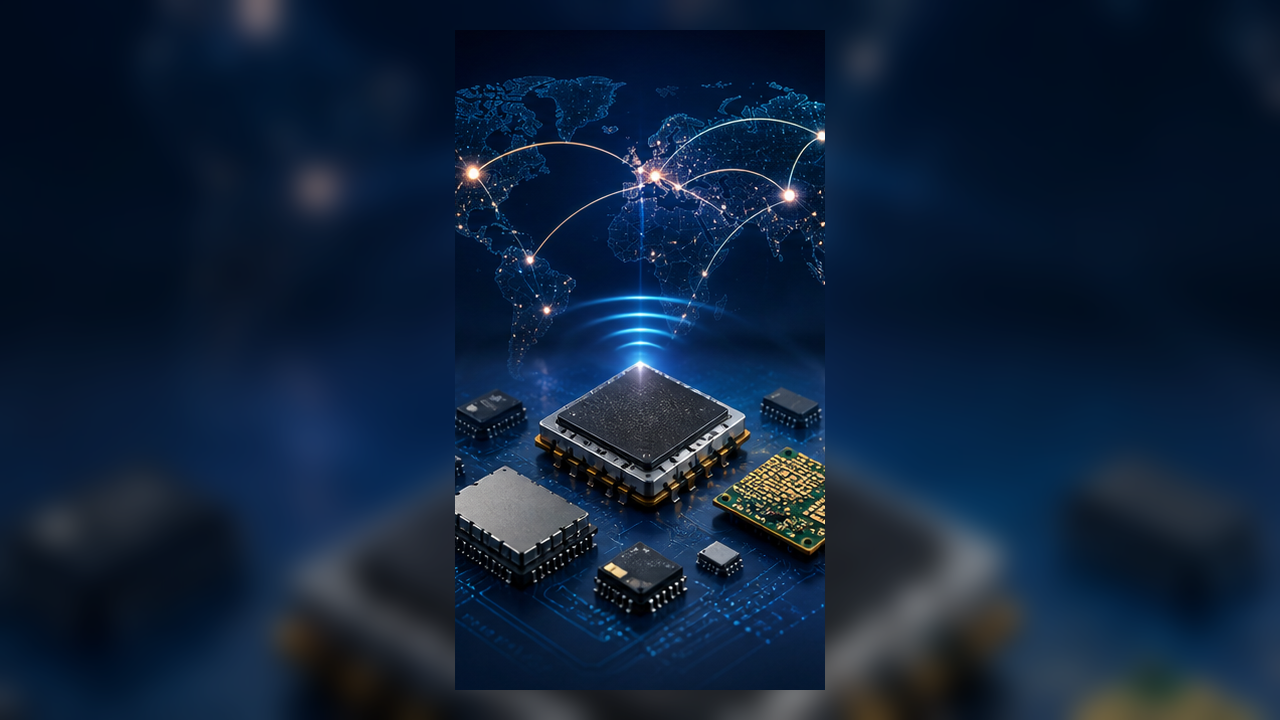
The Apple-Broadcom deal is a reminder that radio-frequency components are strategic in mobile hardware, even when processors get the attention.
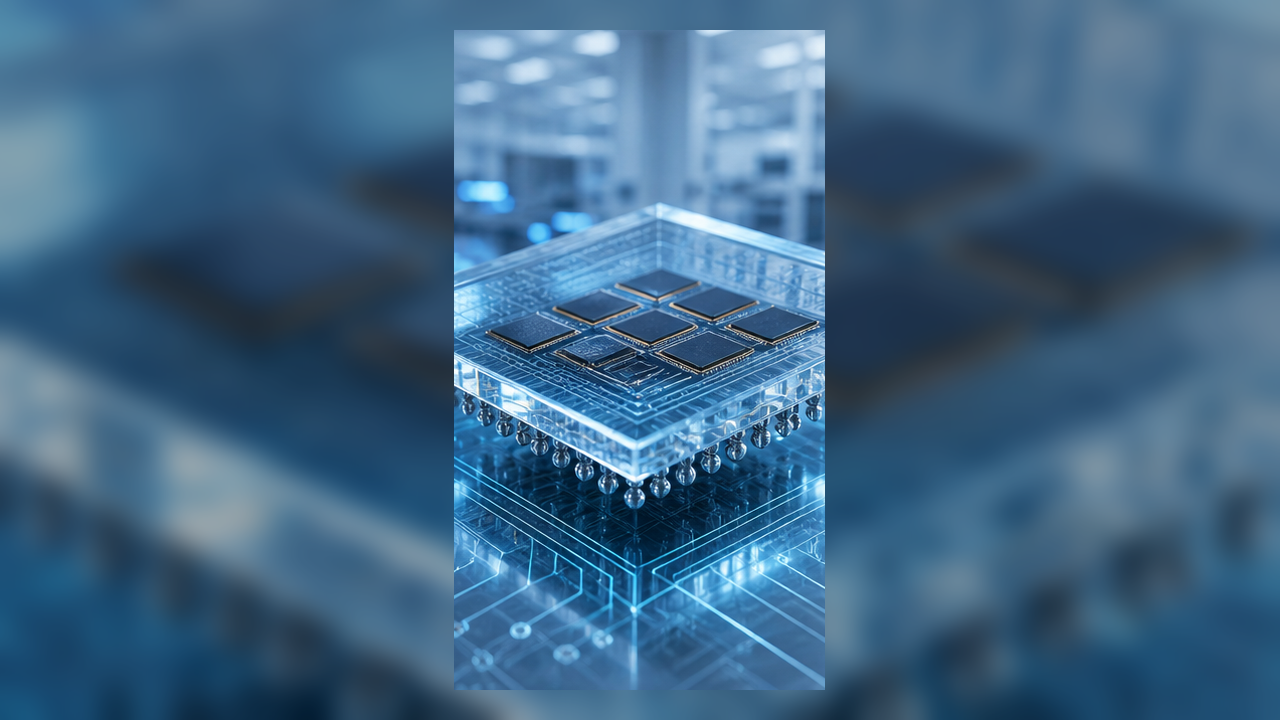
Intel's Lens Technology collaboration shows why packaging materials are becoming central to AI data-center performance.