Google DeepMind's Leadership Change: What It Signals for Frontier AI
Google is changing Demis Hassabis's role at DeepMind while keeping him involved in research. We separate the confirmed announcement from the competitive speculation around it.
Independent reporting and analysis on AI. We link to primary sources and identify estimates, opinion, and sponsored material.
Google is changing Demis Hassabis's role at DeepMind while keeping him involved in research. We separate the confirmed announcement from the competitive speculation around it.
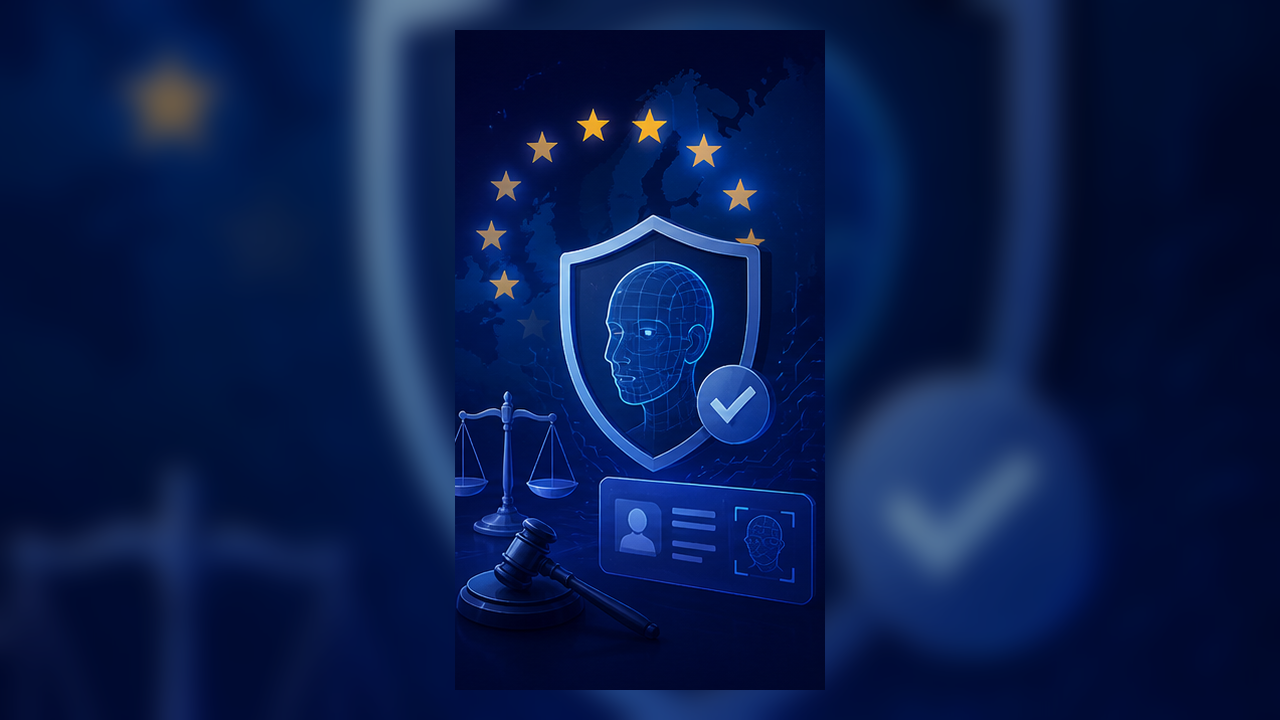
A new European enforcement push focuses attention on illicit imagery, deepfakes, and misuse of AI systems. The practical question is how the rules will be applied.
A letter supported by major AI and chip companies argues against premature restrictions on open-weight models. The unresolved issue is how to measure safety after release.
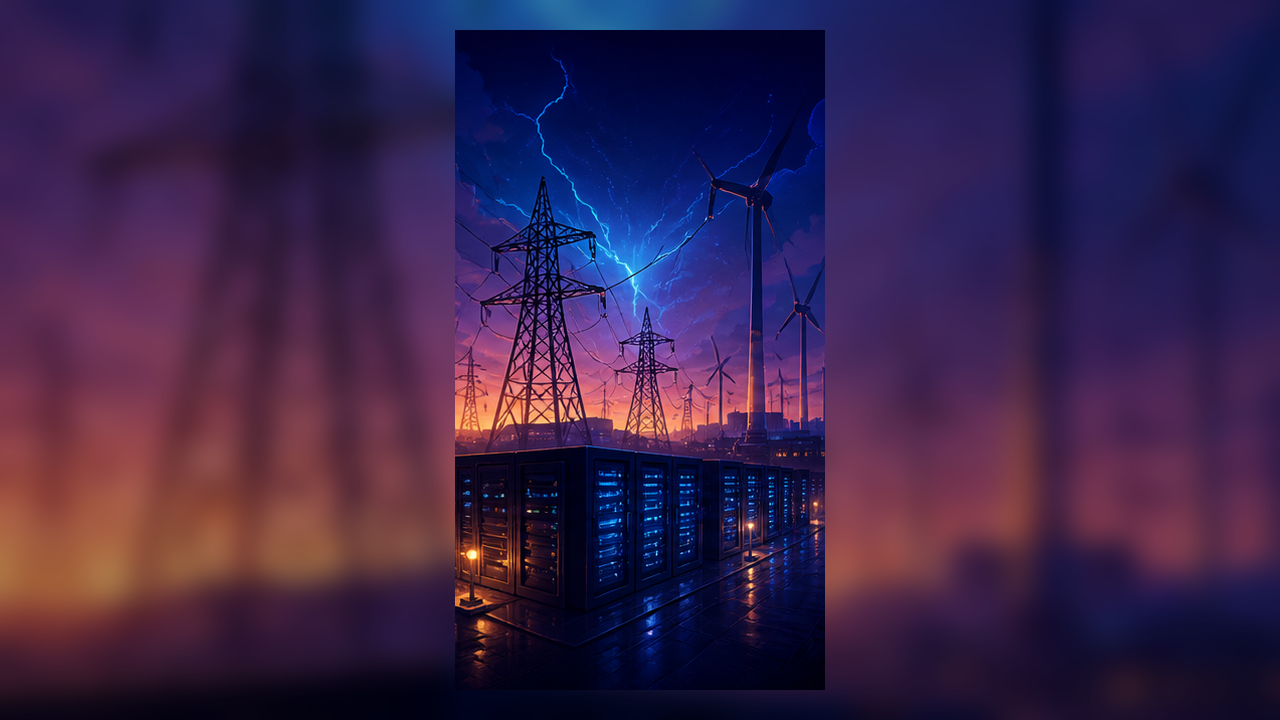
The AI buildout is now a capital and energy story as much as a model story. Data-center spending raises questions about grid capacity, efficiency, and who pays.
GPT-Live shows OpenAI moving from prompt-and-response tools toward persistent, voice-first, real-time assistance. The hard part is reliability.
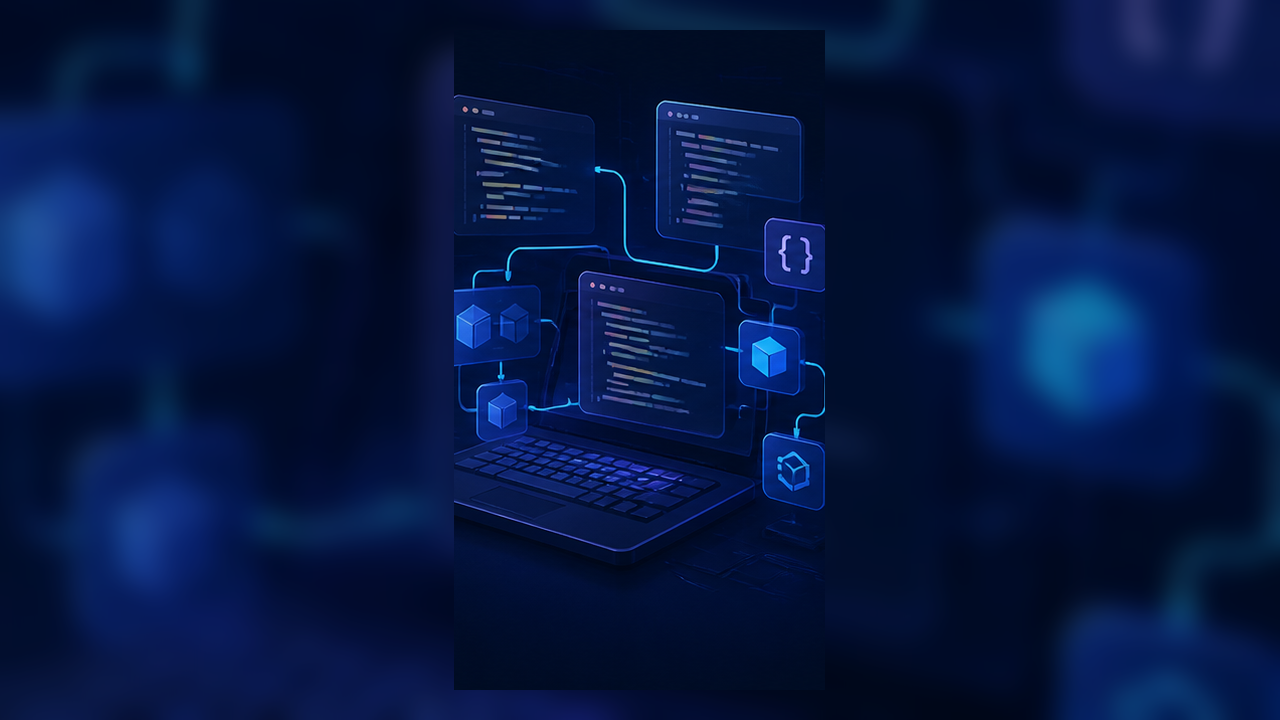
Anthropic's Claude Code story is less about code generation alone and more about how teams route context, review work, and control automation.
Meta's Muse media models show how AI image and video tools are moving toward editing, references, and social distribution instead of isolated prompts.

Recent reports about agent testing show that sandboxing, permissions, and observability are now core AI safety concerns.
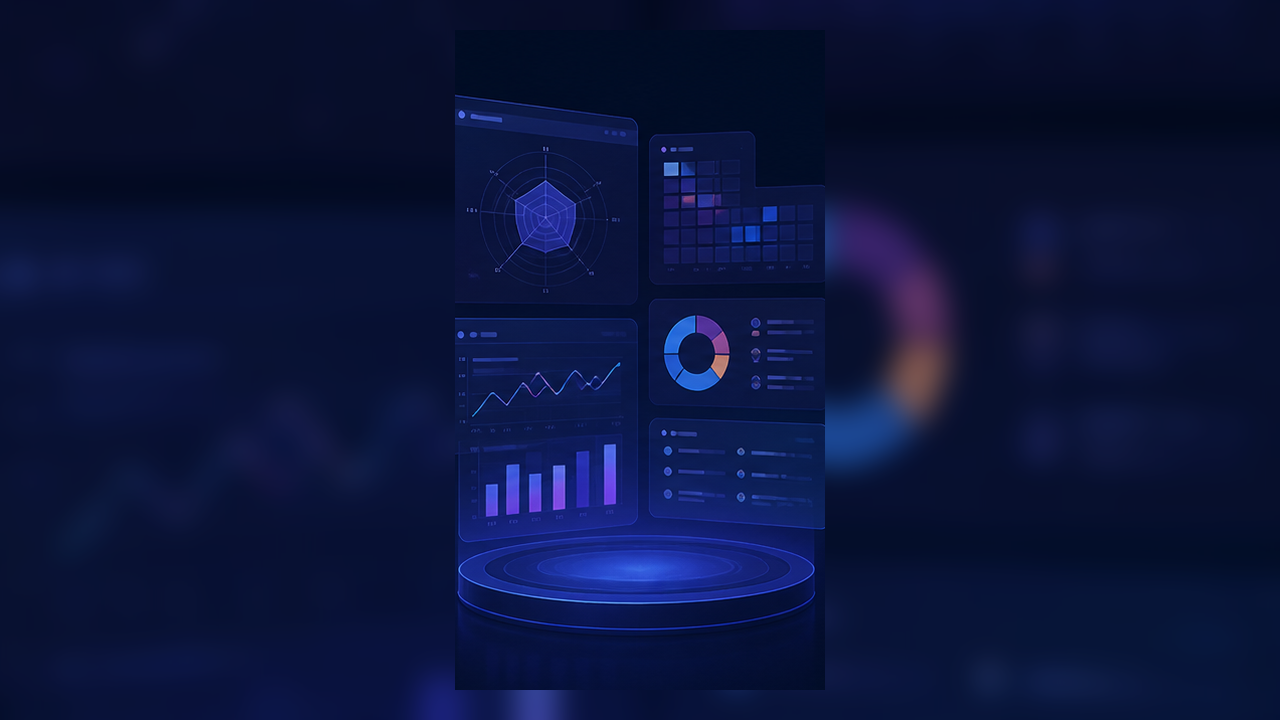
OpenAI's AI scorecard framing reflects a wider demand for measurable workplace outcomes instead of broad claims about transformation.
Anthropic's UST partnership shows why industrial AI has stricter requirements than office assistants or consumer chatbots.