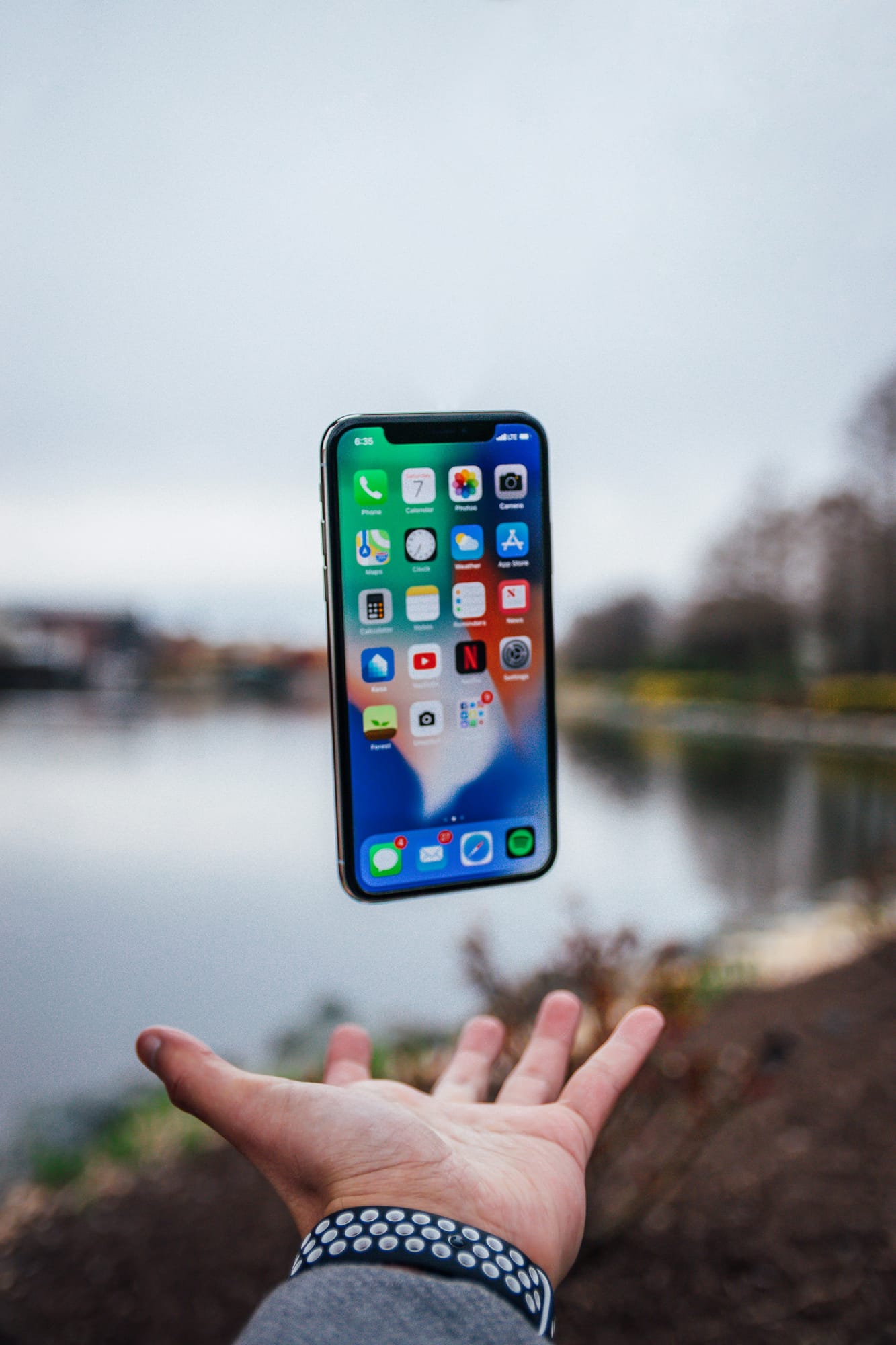
Apple's long-rumored foldable iPhone project appears to be moving forward at an accelerated pace, according to multiple supply chain reports and industry analysts. After years of speculation and false starts, credible evidence suggests that Apple is preparing to enter the foldable smartphone market in a meaningful way, potentially launching its first device in 2027.
Advanced Testing Phase
Sources with knowledge of Apple's supply chain operations indicate that the company has moved beyond initial concept validation and is now testing multiple foldable form factors in advanced prototyping facilities in both California and Asia. Apple has reportedly solved several key technical challenges that had previously delayed the project, including the crease problem, hinge durability, and display reliability.
The most significant breakthrough involves display technology. Apple has been working closely with Samsung Display and LG Display to develop custom flexible OLED panels that dramatically reduce crease visibility. Sources indicate that Apple's panels achieve a crease depth of less than 0.1 millimeters, compared to approximately 0.3 to 0.5 millimeters on current Samsung Galaxy Z Fold devices. This reduction, while seemingly small, is critical for creating a premium feel that meets Apple's exacting quality standards.
Hinge reliability has been another major focus area. Apple's hinge design is said to incorporate a novel multi-axis mechanism that distributes stress more evenly across the display, reducing the risk of failure at the fold point. The company has tested the hinge to over 500,000 folding cycles, significantly exceeding the 200,000-cycle ratings common on current foldable devices. This durability is essential for positioning the device as a daily driver rather than a niche product.
Battery efficiency remains a challenge, as foldable devices require powering a larger display while maintaining thin form factors. Apple is reportedly developing a new battery technology that uses stacked cell architecture to increase energy density by approximately 25% compared to current iPhone batteries. Combined with the efficiency of Apple's custom silicon, the device is expected to achieve all-day battery life despite the larger display area.
Design Philosophy
Unlike many Android foldables that prioritize maximum screen size above all else, Apple is said to be approaching the foldable form factor with a focus on software integration and ecosystem continuity. The device is expected to share many features with the iPad, including support for iPad applications, Apple Pencil compatibility, and seamless integration with macOS Continuity features.
Industry observers believe Apple will position the foldable iPhone as a productivity device rather than merely a larger smartphone. The book-style form factor, which opens to reveal a display approximately the size of an iPad Mini, is designed for content consumption and creative work. When folded, the device maintains a footprint similar to the current iPhone Pro Max, ensuring one-handed usability.
The software experience is expected to be a key differentiator. Apple's longstanding advantage in hardware-software integration means that iOS 28 (likely the version shipping with the foldable iPhone) will be natively optimized for the foldable form factor from launch. Applications will automatically adapt to the unfolded display, supporting true multitasking with multiple resizable windows, drag-and-drop between apps, and a desktop-class browsing experience.
Apple is also exploring novel use cases for the foldable form factor. Sources suggest the device may include a "lapel mode" where the device is partially folded and placed on a desk, using the bottom half as a stable base and the top half as a display — essentially functioning as a miniature laptop. The camera system is also expected to take advantage of the foldable design, enabling new photography and videography capabilities.
Market Timing
The foldable smartphone market has matured significantly since Samsung launched the original Galaxy Fold in 2019. Samsung, Huawei, Honor, OnePlus, and Google have all released foldable devices, addressing many early reliability concerns and building consumer awareness. Global foldable smartphone shipments are expected to reach 50 million units in 2026, up from approximately 25 million in 2025, representing the fastest-growing segment of the smartphone market.
Apple's typically late but refined entry into new product categories has historically been a winning strategy. The company entered the smartphone market years after Nokia and BlackBerry, the tablet market years after Microsoft, and the smartwatch market years after Pebble. In each case, Apple's later entry allowed it to learn from competitors' mistakes, refine the technology, and deliver a more polished experience that ultimately came to dominate the category.
However, the foldable market presents unique challenges. Unlike the transition from feature phones to smartphones, foldables do not offer an immediately obvious improvement over existing devices for most users. Apple will need to articulate a compelling use case that justifies the premium price point, which analysts expect to exceed $1,800 for the first-generation device.
Pricing and Positioning
Analysts expect the first foldable iPhone to be priced between $1,800 and $2,200, positioning it among the most expensive mainstream smartphones. While this price point will limit initial sales volume to an estimated 5-10 million units in the first year, it aligns with Apple's strategy of targeting premium segments first before potentially introducing lower-priced variants in subsequent generations.
The foldable iPhone will likely coexist alongside the traditional iPhone lineup rather than replacing it, at least initially. Apple is expected to continue releasing standard iPhones with minor design updates while positioning the foldable as a premium tier above the Pro Max. This strategy mirrors Apple's approach with the Apple Watch Ultra, which sits above the standard Apple Watch at a higher price point.
Industry Impact
A foldable iPhone would represent Apple's most significant hardware design change since the iPhone X introduced the edge-to-edge display and eliminated the home button in 2017. It would also open new opportunities for app developers, accessory makers, and the broader mobile ecosystem.
For developers, the foldable iPhone represents both an opportunity and a challenge. Applications will need to support multiple display configurations and take advantage of the larger unfolded screen. Apple is expected to provide comprehensive developer tools and guidelines, but the transition will require significant engineering investment from major app developers.
The broader smartphone industry is watching Apple's entry into the foldable market with a mixture of anticipation and concern. Apple's participation could validate the category for mainstream consumers, driving adoption across the entire market. At the same time, Apple's historically effective execution could give it a dominant position in the premium foldable segment, challenging existing players like Samsung that have invested heavily in the category.