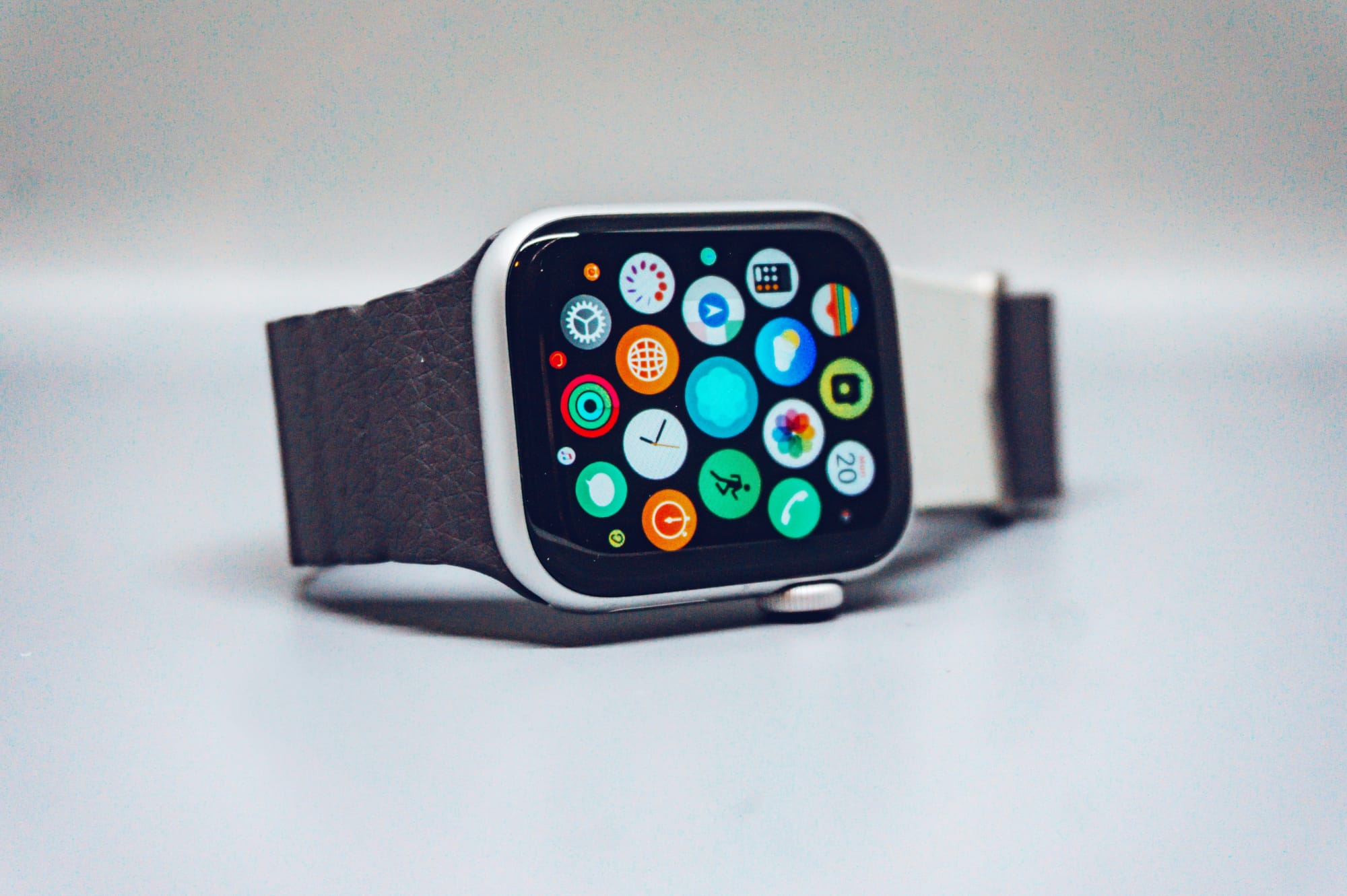
Apple Watch Series 11 represents the most significant update to Apple's wearable line since the original model, introducing health monitoring capabilities that were once considered years away from consumer availability. The latest iteration ships with non-invasive glucose monitoring, enhanced sleep tracking with sleep apnea classification, and a redesigned sensor array that improves accuracy across all health metrics while extending battery life to an unprecedented three days under normal use.
Non-Invasive Glucose Monitoring
The headline feature of Series 11 is non-invasive glucose monitoring, the result of a secret development project that Apple has pursued for over a decade. The technology uses a custom silicon photonics sensor integrated into the watch's back crystal to shine specific wavelengths of light through the skin and measure the absorption spectrum of interstitial fluid. By analyzing how different wavelengths are absorbed, the sensor can estimate blood glucose concentration with accuracy approaching that of traditional finger-prick tests.
Apple's implementation does not require calibration with blood samples, a major obstacle that competing non-invasive glucose monitoring approaches have struggled to overcome. Instead, the sensor uses machine learning models trained on millions of data points to calibrate automatically based on the user's unique skin characteristics. The system provides continuous glucose readings updated every five minutes, with alerts for high and low blood sugar events.
For the approximately 500 million people worldwide living with diabetes, this feature is genuinely transformative. Current continuous glucose monitors require inserting a subcutaneous sensor that must be replaced every 10 to 14 days, costing hundreds of dollars per month out of pocket for many patients. Apple Watch Series 11 eliminates the need for these external sensors, making glucose monitoring accessible to anyone who owns the device.
Apple has been careful to position the feature as a health monitoring tool rather than a medical device. The company has not yet submitted the glucose monitoring system for FDA clearance, meaning the readings are presented as estimates for wellness purposes rather than clinical decisions. However, internal testing suggests the accuracy is sufficient for many diabetes management use cases, and Apple is actively working with the FDA on a regulatory pathway for medical certification.
The glucose sensor also enables features for non-diabetic users. The watch can track how different foods, exercise, and sleep patterns affect glucose levels, providing personalized insights about metabolic health. Athletes can use real-time glucose data to optimize nutrition during endurance events, and anyone interested in metabolic health can understand how their lifestyle choices affect their body's energy regulation.
Sleep Health and Respiratory Monitoring
Series 11 introduces comprehensive sleep health monitoring that goes significantly beyond previous Apple Watch models. The improved sensor array now tracks sleep stages with higher accuracy, distinguishing between light sleep, deep sleep, and REM sleep using a combination of heart rate variability analysis, respiratory rate monitoring, and movement detection. The watch charges fully in approximately 45 minutes, making it practical to wear overnight without disrupting charging routines.
Sleep apnea detection has been substantially improved. The Series 11 now classifies sleep apnea events by severity and type — distinguishing between obstructive and central sleep apnea — providing more clinically useful data for users and their healthcare providers. Apple has published a validation study in a peer-reviewed medical journal demonstrating that the Series 11's sleep apnea detection achieves 94% sensitivity and 90% specificity compared to polysomnography, the clinical gold standard.
Respiratory health monitoring has been expanded with the addition of blood oxygen monitoring during sleep. The watch can now detect nocturnal hypoxemia, a condition where blood oxygen levels drop during sleep that is associated with sleep apnea, chronic obstructive pulmonary disease, and other respiratory conditions. The feature generates weekly reports showing overnight oxygen saturation trends, with alerts when patterns suggest potential health issues requiring medical attention.
Temperature sensing has also been improved with the addition of continuous core body temperature monitoring. Previous Apple Watch models measured wrist temperature only during sleep. The Series 11 measures temperature continuously throughout the day and night, using a new dual-sensor design that compensates for environmental temperature variations. This enables tracking of circadian rhythm patterns, early fever detection, and in women, more accurate ovulation and fertility window predictions.
Fitness and Activity Enhancements
Fitness tracking has received meaningful upgrades. The new Sensor Fusion architecture combines data from the optical heart rate sensor, electrical heart rate sensor, accelerometer, gyroscope, and the new glucose sensor to provide a more complete picture of workout intensity and metabolic impact. The watch can now estimate lactate threshold during running and cycling workouts, a metric previously available only through lab testing with blood samples.
The Workout app has been redesigned with new training load metrics. After each workout, the watch shows not only traditional metrics like distance and calories but also training load scores, recovery recommendations, and predicted performance trends. Over time, the watch builds a fitness profile that can recommend optimal workout types and intensities based on the user's goals, current fitness level, and recovery state.
New workout types have been added, including pickleball (the fastest-growing sport in America), padel tennis, and dedicated hiking modes with topographic map integration. The hiking mode displays route information, elevation profiles and points of interest directly on the watch face, with offline map support for areas without cellular coverage.
Battery and Hardware
Battery life has been dramatically improved through a combination of the more efficient S11 SiP (System in Package), a larger battery that takes advantage of the redesigned chassis, and power management improvements in watchOS 11. Under typical use — including overnight sleep tracking, occasional workout tracking, and regular notification checking — the Series 11 achieves approximately 72 hours of battery life, compared to the Series 10's 36 hours.
The Always-On Retina Display is now 40% brighter in outdoor conditions, making it readable even in direct sunlight, while maintaining the same power consumption through improvements in OLED efficiency. The display also supports a new 1 Hz refresh rate for the always-on state, further extending battery life.
A new quick-release band system makes it easier to swap bands without tools. The system uses a magnetic latch that releases with a button press but remains secure during activities. All existing Apple Watch bands remain compatible with the Series 11, preserving backward compatibility with the extensive ecosystem of existing accessories.
Clinical Validation and Medical Integration
Health data from the Series 11 can now be shared directly with healthcare providers through expanded Health Record integration. Users can authorize their watch to share relevant health data with their doctors through the Health app, with granular privacy controls that allow sharing only specific data types for specific time periods.
Apple has invested heavily in clinical validation studies to support the health features. Beyond the sleep apnea study, Apple has published research on the accuracy of its atrial fibrillation detection, fall detection, and now glucose monitoring. These studies are conducted in collaboration with leading medical institutions including Stanford Medicine, the Brigham and Women's Hospital, and the University of Tokyo Hospital.
The Series 11 represents Apple's most ambitious health device yet, bringing laboratory-grade monitoring capabilities to a mass-market wearable. While questions remain about the regulatory status of the glucose monitoring feature and its accuracy across different skin types and body compositions, the direction is clear: Apple is building a comprehensive health monitoring platform on the wrist, and each generation brings us closer to a future where continuous health monitoring is as normal as wearing a watch.