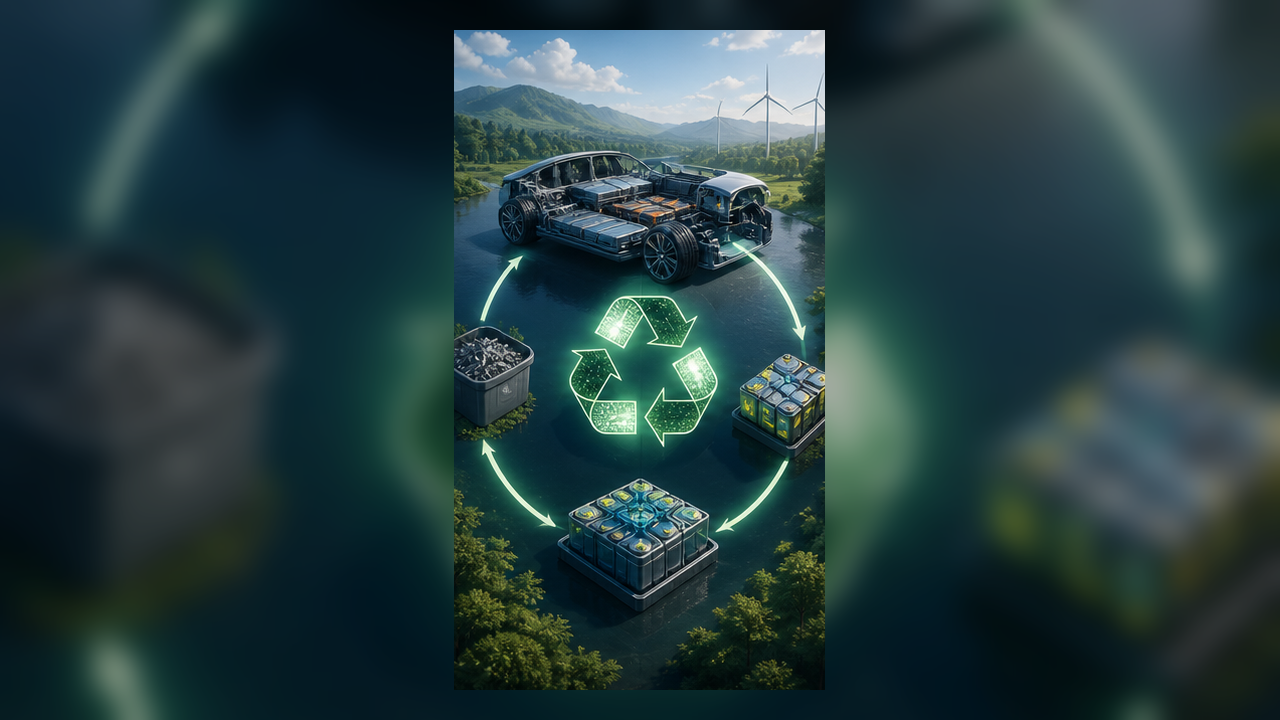
EV supply-chain policy is increasingly focused on what happens after a battery's first life. The Department of Energy's July 2026 lithium-ion recycling prize announcement fits that shift: battery recycling is now treated as infrastructure for resilience, not just an environmental cleanup task.
The reason is simple. EV adoption increases demand for lithium, nickel, cobalt, graphite, and other battery materials. Recycling cannot replace mining in the near term, but it can reduce waste, diversify supply, and keep more material inside domestic or allied supply chains.
The business challenge is consistency. Recycling economics depend on battery collection, chemistry, state of health, transport rules, processing cost, and recovered-material pricing. A prize can help develop new approaches, but large-scale impact requires predictable feedstock and buyers for recovered materials.
For automakers, recycling strategy is becoming part of product planning. Battery packs need to be traceable, serviceable, and eventually recoverable. A cheaper EV that is hard to recycle may create costs later in the vehicle lifecycle.