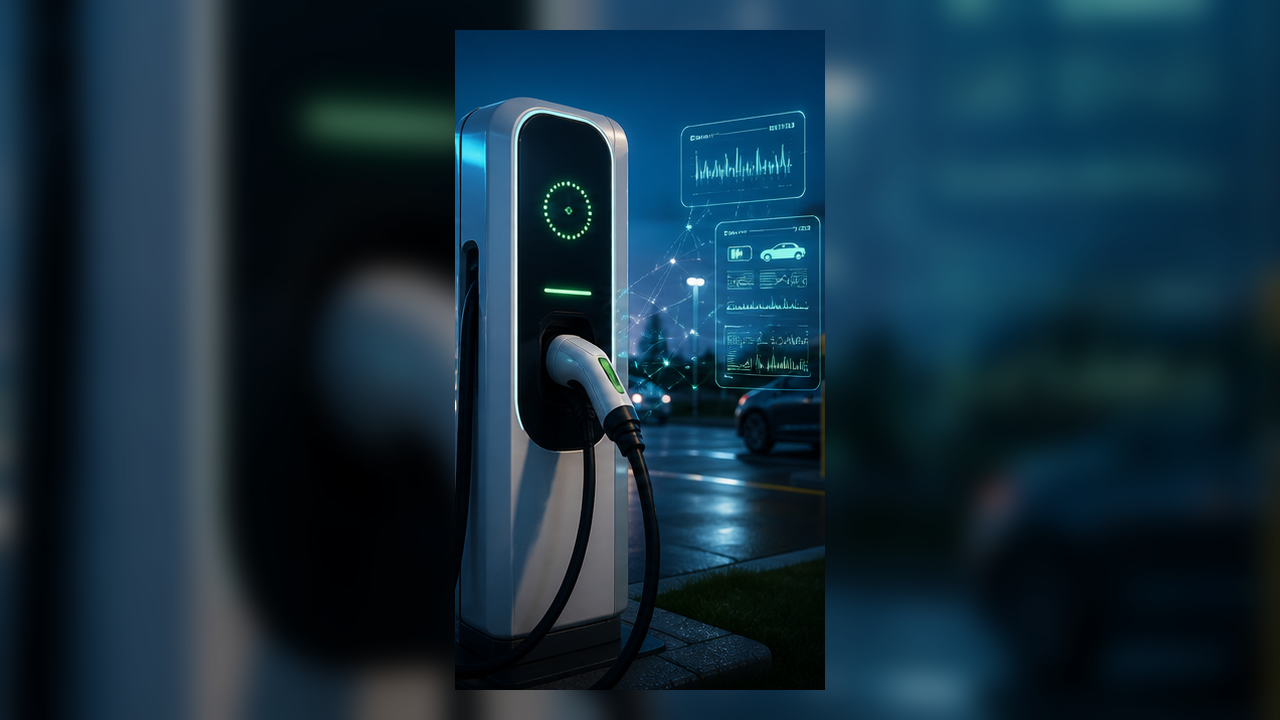
Public charging is often discussed in terms of how many stalls exist and how quickly a compatible car can charge. Drivers experience a different metric: did the session start, deliver useful power, and finish without a support call? Recent research on charging infrastructure describes failure rates high enough to make reliability a central adoption issue rather than a minor operational detail.
Why a single uptime number is not enough
“Uptime” can mean that a station is powered on, connected to a network, or capable of completing a session. Those are not identical. A charger may appear online while a payment terminal, connector, cooling system, or vehicle handshake is failing. Operators should publish a definition that users and regulators can reproduce.
Reliability also varies by location and vehicle. Weather, grid constraints, maintenance response, and the interaction between software versions can change the outcome. A national average is useful for planning, but a driver needs station-level information at the moment of travel.
What would improve the experience
Operators can expose real-time fault status, publish completed-session success rates, keep spare parts near high-use sites, and make reimbursement simple when a failed session causes a duplicate charge. Governments funding infrastructure can require transparent reporting rather than counting installed hardware alone.
The industry does not need to choose between faster charging and better reliability. But reliability is the foundation. A network that works consistently at a lower peak power is more valuable to most drivers than a record-setting charger that is unavailable when needed.