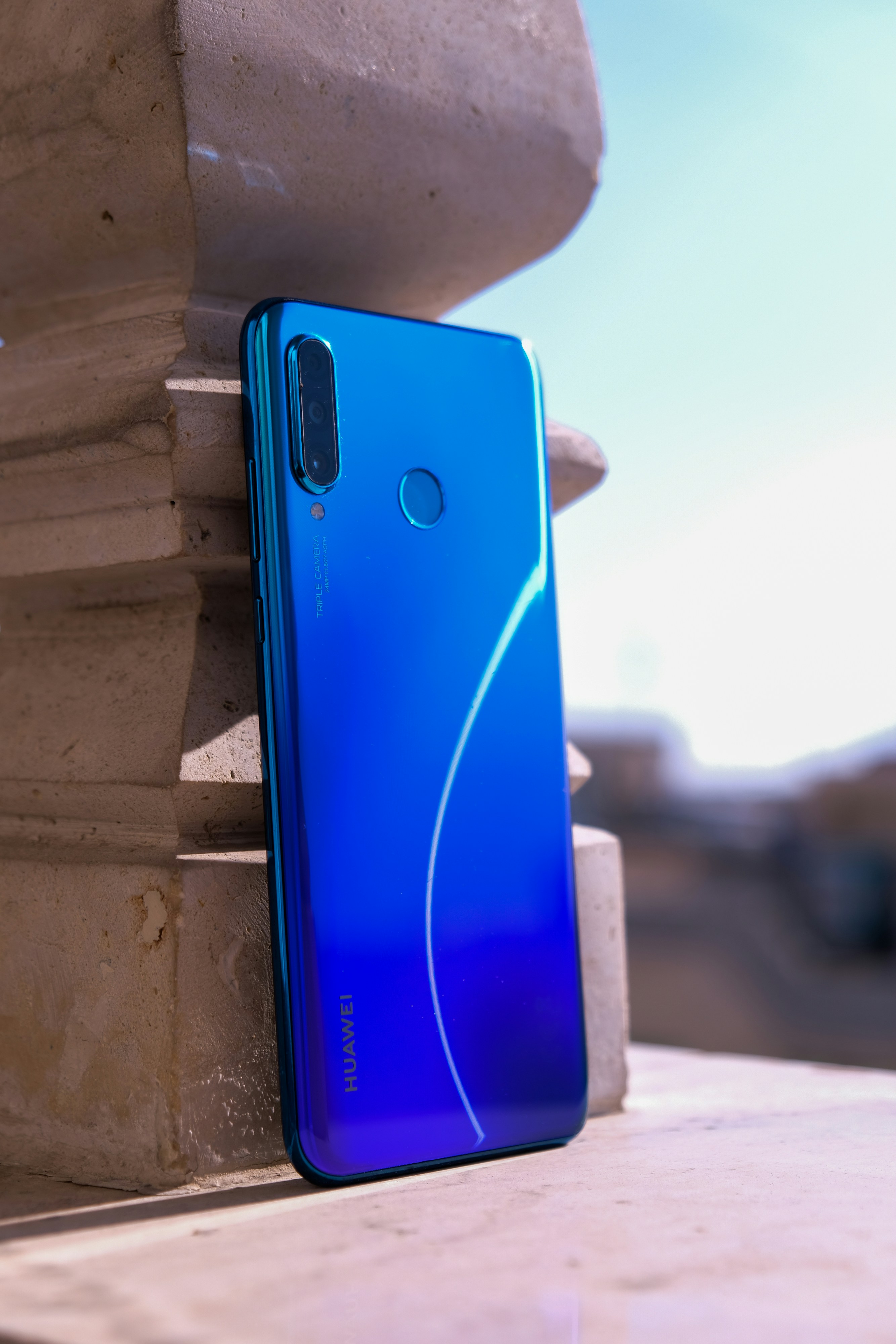
The Dawn of a New OS Era
In October 2024, Huawei launched the developer preview of HarmonyOS Next, marking a watershed moment in the global operating system landscape. By mid-2026, this fully self-developed platform has matured into a formidable ecosystem that serves over 800 million devices worldwide. Unlike its predecessor, HarmonyOS Next is built on a 100% Harmony kernel with zero Android code — no AOSP compatibility, no Linux kernel dependencies, and no Java virtual machine. This is China's first truly independent mobile operating system, and it represents years of intensive R&D investment following US trade sanctions.
Architecture Deep Dive
The HarmonyOS Next architecture is organized into four distinct layers. At the foundation is the Harmony microkernel, which handles core OS functions including task scheduling, memory management, and inter-process communication. This microkernel is designed for deterministic latency — critical for real-time IoT applications where response times must be measured in microseconds. Above the kernel sits the system service layer, which provides hardware abstraction, file system management, and device drivers. The framework layer offers developers rich APIs spanning graphics, multimedia, AI inference, and distributed capabilities. Finally, the application layer hosts apps built with the ArkUI declarative framework and the ArkTS programming language.
One of the most significant architectural decisions is the use of a distributed soft bus — a virtual bus technology that allows devices to discover and connect with each other seamlessly. This enables true cross-device collaboration where apps can run across phones, tablets, watches, and smart screens as if they were a single computing entity.
Performance Benchmarks
Early benchmarks of HarmonyOS Next running on the Kirin 9010 chipset show compelling results. Application launch speeds have improved by approximately 30% compared to HarmonyOS 4 running on equivalent hardware. Memory utilization has been reduced by roughly 20% thanks to the streamlined microkernel architecture, which eliminates the overhead previously required for Android compatibility layers. The new deterministic latency engine ensures that critical tasks — such as phone call handling, camera shutter response, and sensor data processing — receive guaranteed CPU time slices, eliminating the jitter that plagued hybrid kernel designs.
GPU performance has also seen gains, with Huawei's Fangcai graphics engine delivering frame rates that are competitive with comparable solutions from Qualcomm and MediaTek. The OS uses a unified rendering pipeline that adapts dynamically to available hardware resources, meaning the same app can scale from a smartwatch display to a 4K smart TV without developer intervention.
The App Ecosystem Transformation
The transition from dual-framework compatibility to a pure HarmonyOS environment posed significant challenges for developers. Huawei responded by investing heavily in developer tools and incentives. The DevEco Studio IDE has been updated with advanced code migration tools that can automatically convert Android applications to HarmonyOS native format with approximately 80-90% code reuse. A $1.4 billion developer fund has been established, and over 700,000 native HarmonyOS applications are now available in the AppGallery.
Major Chinese developers including Alibaba, Tencent, ByteDance, and Baidu have all released native HarmonyOS versions of their flagship applications. WeChat, Alipay, Douyin, and Taobao now leverage HarmonyOS-specific features such as distributed file access and cross-device task continuity. The HD map for app ecosystem growth has been ambitious but is on track, with Huawei projecting over one million native apps by the end of 2026.
IoT and the 1+8+N Vision
HarmonyOS Next truly shines in its IoT capabilities. Huawei's 1+8+N strategy — where the smartphone serves as the central hub, eight categories of companion devices (tablets, PCs, watches, headphones, smart glasses,车载, smart screens, and speakers) surround it, and N represents countless IoT partners — is fully realized on the new architecture. Devices running HarmonyOS Next can share clipboard contents, transfer ongoing calls between devices, and coordinate camera feeds across multiple angles simultaneously.
The distributed data management system allows any device in the ecosystem to securely access files stored on any other device, provided the user authorizes the connection. Smart home scenarios benefit from the lightweight nature of the microkernel, which can run on devices with as little as 128 KB of RAM. This means even simple light bulbs and sensors can be HarmonyOS-native rather than requiring proprietary bridges or hubs.
Security Model
Security was a primary design consideration for HarmonyOS Next. The microkernel architecture inherently provides better isolation between system components, reducing the attack surface. Huawei has implemented a star-forbidden security model where data access requires explicit user authentication at the hardware level. The Trusted Execution Environment (TEE) is integrated directly into the Kirin SoC, providing hardware-backed encryption for biometric data, payment credentials, and device keys.
Huawei has also introduced a novel permission mechanism called "micro-permissions" that allows users to grant single-use or time-limited access to sensitive capabilities. For example, a navigation app can request location access for the duration of a single trip rather than maintaining persistent background access. These granular controls position HarmonyOS Next as potentially the most permission-conscious mobile OS available today.
The Road Ahead
HarmonyOS Next represents Huawei's strategic bet on technological sovereignty. With the final public release expected to ship on all new Huawei devices by late 2026, the ecosystem is poised for explosive growth. Industry analysts estimate that HarmonyOS could capture approximately 18-20% of the Chinese mobile OS market within the next two years, positioning it as the third viable mobile operating system globally alongside Android and iOS. Whether it can achieve significant international adoption remains to be seen, but within China, the transition is already well underway.