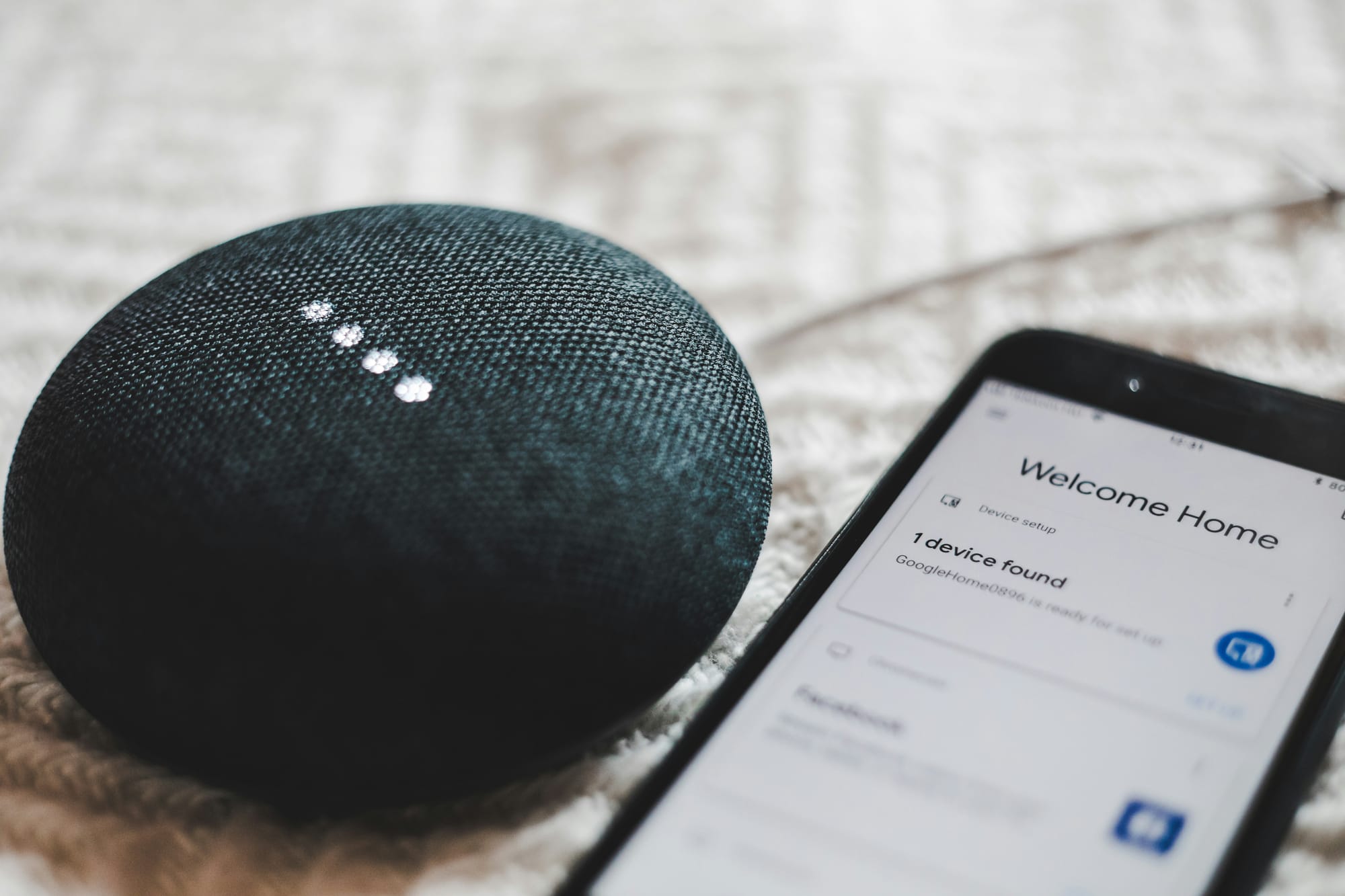
Beyond the Smartphone: A Connected Ecosystem
Huawei's vision for the smart home extends far beyond individual devices. The 1+8+N strategy positions the smartphone as the central hub (the "1"), surrounded by eight categories of Huawei-branded companion devices (the "8"), and an expanding universe of partner-produced IoT products (the "N"). With HarmonyOS Next providing the underlying distributed operating system, this vision has matured into the most cohesive smart home ecosystem available in China, challenging the integrated experiences offered by Apple's HomeKit, Samsung's SmartThings, and Xiaomi's smart home ecosystem.
The Smart Home Control Center
The Huawei Smart Home app, pre-installed on all HarmonyOS devices, serves as the unified control interface for the entire ecosystem. The app provides a floor-plan view of the home, with all connected devices displayed at their real-world locations. Users can create scenes — "Good Morning" might open curtains, adjust the thermostat to 22 degrees, start the coffee maker, and play news headlines on the smart speaker. "Away Mode" triggers security cameras, activates motion sensors, and simulates occupancy by randomly controlling lights during evening hours.
What distinguishes the HarmonyOS smart home experience from competitors is the distributed intelligence capabilities. Rather than requiring a dedicated hub device, HarmonyOS devices can act as local processing nodes, maintaining smart home functionality even when internet connectivity is interrupted. The local communication protocol uses the distributed soft bus technology, supporting WiFi, Bluetooth, Zigbee, and the proprietary NearLink protocol for ultra-low-power device connections.
NearLink: The IoT Connectivity Backbone
NearLink, Huawei's wireless connectivity technology introduced as an alternative to Bluetooth and WiFi in IoT applications, has become central to the smart home strategy. NearLink combines the low power consumption of Bluetooth with the high throughput and low latency of WiFi, achieving data rates of up to 12 Mbps at power consumption levels comparable to Bluetooth Low Energy. The effective range of approximately 200 meters in open environments is sufficient for most residential applications.
In practical terms, NearLink enables instant device pairing — a NearLink sensor is recognized and configured within two seconds of power-on, compared to the 10-30 seconds typical for Bluetooth pairing. The protocol supports one-to-many connections, allowing a single control device to communicate with up to 100 NearLink peripherals simultaneously. For smart home applications, this means lights respond to switches instantly, door sensors trigger alarms without perceptible delay, and sensor data is available at the control hub with real-time freshness.
The 8: Companion Devices Ecosystem
The eight categories of Huawei-branded companion devices form the visible layer of the smart home experience. Smart screens (Huawei's term for smart TVs) running HarmonyOS offer seamless content casting from phones and tablets, with the SuperDevice feature allowing the smart screen to display phone notifications, answer video calls, and serve as a home security monitoring display. The Huawei Sound series of smart speakers provides voice control via Celia, Huawei's voice assistant, which now supports offline voice recognition for core commands.
The Huawei路由 (router) series, particularly the WiFi 7-capable models, serves as the network backbone. HarmonyOS routers prioritize traffic for real-time applications automatically, ensuring that video calls and streaming remain smooth even when other devices are performing large file downloads. The routers also include built-in IoT radio support, eliminating the need for separate Zigbee or Thread hub hardware.
The smart lighting ecosystem includes color-tunable bulbs, ambient light strips, and smart switches, all controllable through the Smart Home app. The Lighting Scene feature adapts color temperature throughout the day — warm tones in the evening to support natural circadian rhythm, cooler tones during work hours for alertness. Motion sensors can automatically turn lights on and off based on room occupancy, reducing energy consumption by an estimated 15-20% in typical installations.
The N: Partner Ecosystem Growth
The "N" in Huawei's strategy represents third-party partners who build HarmonyOS-compatible smart home devices. As of mid-2026, over 800 partners have joined the HarmonyOS Connect program, producing more than 4,500 certified products across categories including lighting, security, climate control, kitchen appliances, and home entertainment. Prominent partners include Midea (air conditioners and kitchen appliances), Haier (refrigerators and washing machines), Gree (air conditioning), Opple (lighting), and D-Link (networking).
The certification process requires partners to implement HarmonyOS Connect SDK, which provides standardized device discovery, configuration, and control. The SDK handles all communication protocol complexities, allowing partners to focus on their hardware differentiation. Harmonious certification testing takes approximately four weeks and verifies interoperability with all major HarmonyOS device categories.
Security and Privacy Architecture
Smart home security is a legitimate concern, and Huawei has designed the HarmonyOS smart home architecture with security as a foundational element. Device attestation uses hardware-backed certificates stored in each device's secure element, ensuring that only authenticated devices can join the home network. All communication between devices is encrypted using TLS 1.3, with local communication using pre-shared keys that never leave the home network.
User privacy is protected through a local processing architecture. Voice commands processed through Celia are handled locally on the smart speaker for basic commands, with only complex queries requiring cloud processing. Camera feeds from security cameras are processed locally for motion detection and person recognition, with only alerts and anonymized metadata transmitted to the cloud. Users can configure data retention policies and have the option to block all cloud connectivity while maintaining full local smart home functionality.
Real-World User Experience
In practice, the HarmonyOS smart home ecosystem delivers a level of integration that feels genuinely premium. The setup process for new devices is straightforward — bringing a NearLink-enabled smart bulb near a HarmonyOS phone triggers an automatic discovery notification, and configuration is completed in about 15 seconds. Cross-device automation is powerful: a Huawei Watch detecting sleep onset can automatically dim lights throughout the home, adjust the thermostat, and enable the security system.
The ecosystem works best when users own multiple Huawei devices. A user arriving home with the Pura 80 phone can have the smart lock recognize their approach via Bluetooth proximity scanning and unlock the door automatically. The smart screen turns on to show the doorbell camera feed when someone rings. The smart speaker announces reminders synced from the phone's calendar. These are the moments where the ecosystem feels like more than the sum of its parts.
Challenges and Limitations
The HarmonyOS smart home ecosystem is not without limitations. Geofencing automation based on phone location can be unreliable, occasionally triggering scenes when the user is nearby but not actually arriving home. Third-party device integration, while extensive, sometimes lacks the depth of first-party device control — a third-party air conditioner might support basic on/off and temperature control but not advanced features like swing mode or sleep curve programming.
International availability remains extremely limited. While the technology stack works globally, the partner ecosystem is heavily China-centric, and devices certified in China may not meet electrical safety standards in other markets. Huawei has announced plans to launch international smart home programs in Southeast Asia and the Middle East, but European and North American launches appear distant.
The Future of 1+8+N
Huawei's smart home strategy continues to evolve. The adoption of the Matter protocol alongside NearLink in newer devices provides a bridge to broader smart home interoperability. The upcoming HarmonyOS Smart Home 2.0 platform, expected in late 2026, is rumored to include AI-driven energy management that can optimize home energy consumption based on real-time electricity pricing, solar generation data, and usage patterns learned from occupant behavior. As the ecosystem matures, Huawei is positioning itself not just as a smartphone company, but as the central operating system for the entire connected home.